Why More Beauty Brands Are Moving Away From Stock Packaging
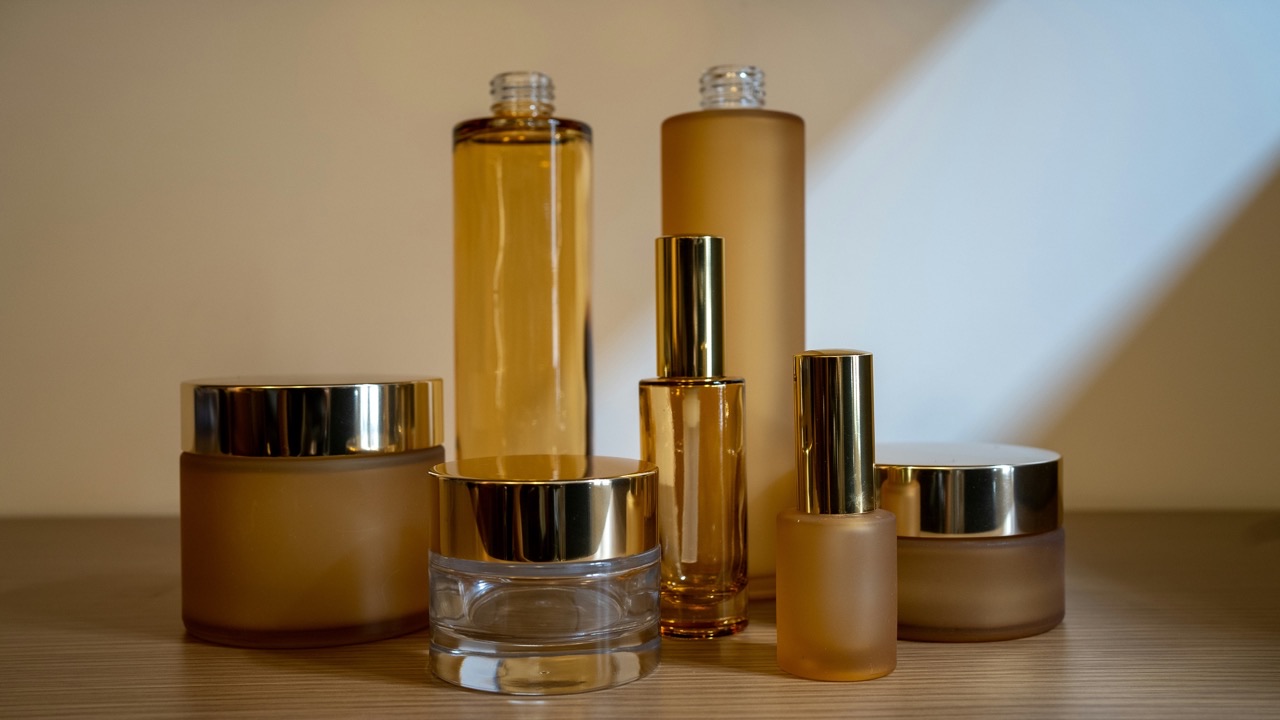
Walk into any cosmetics supply trade show and you’ll find rows of suppliers offering the same thing: stock packaging. Standard bottles, standard jars, standard tubes in a handful of sizes and colors, available in low minimums and ready to ship quickly. For years, this was how most independent beauty brands got started. It was fast, affordable, and required no tooling investment.
That model still exists, and it still makes sense for certain situations. But a growing number of beauty brands — including some that started with stock packaging — are making the switch to custom cosmetic packaging. And the reasons why tell you a lot about where the industry is heading.
Everyone Ends Up Looking the Same
The most obvious problem with stock packaging is that it’s available to everyone. The same 50ml frosted glass bottle that one brand is using for their vitamin C serum is being used by dozens of other brands for the same product type. Customers who buy from multiple brands start to notice. The bottles look familiar. The shapes are the same. Only the label changes.
In a market where brand identity is increasingly important, this is a real problem. Packaging is often the first thing a customer sees — on a shelf, in a photo, in someone’s unboxing video. If the packaging looks identical to three other products they’ve already bought, it doesn’t communicate anything distinct about the brand. It blends in rather than standing out.
Custom packaging solves this at the source. A bottle shape, a closure design, or a finish that was developed specifically for one brand can’t be replicated by a competitor who orders from the same supplier catalog.
Social Media Raised the Aesthetic Standard
The rise of Instagram, TikTok, and YouTube beauty content has changed what customers expect from packaging, even at lower price points. Products are constantly being photographed, filmed, and shared. Unboxing content has turned packaging into a marketing channel in its own right.
In this environment, packaging that was designed to be functional and cost-effective often falls short visually. The proportions aren’t quite right for photography. The finish doesn’t catch light in an interesting way. The overall aesthetic feels generic rather than considered.
Brands that invest in custom cosmetic packaging are building something that was designed to be seen — online as much as on a shelf. The shape, the finish, the material, and the color are chosen together to create a consistent visual impression that photographs well and looks intentional in content.
The Brand Consistency Problem
Stock packaging creates another challenge that becomes more visible as a brand grows: inconsistency across the product line.
When you’re sourcing packaging from a catalog, you’re limited to what’s available. A moisturizer might end up in a glass jar from one supplier, a serum in a plastic bottle from another, and a toner in a format that doesn’t quite match either. The result is a product line that looks like it was assembled from parts rather than designed as a whole.
Custom packaging allows a brand to develop a consistent design language across its entire range — the same proportions, the same finish, the same closure style, scaled and adapted for different product types. When a customer sees any product from the line, they recognize it immediately. That kind of recognition is hard to build with stock packaging and nearly impossible to maintain as a line expands.
When the Numbers Start to Make Sense
The main reason brands stick with stock packaging is cost. Custom packaging requires investment in mold development, longer lead times, and higher minimum order quantities. For a brand that’s just starting out and testing the market, those barriers are real.
But the calculation changes as a brand scales. The per-unit cost of custom packaging comes down significantly at higher volumes, and the mold investment is a one-time cost that gets amortized over time. Brands that have been running on stock packaging for a few years often find that switching to custom cosmetic packaging is more affordable than they expected — and that the brand benefits show up immediately in how customers perceive and talk about the product.
The other cost factor that’s easy to underestimate is the cost of not switching. Lost sales because the product doesn’t stand out. Lower perceived value leading to price resistance. Difficulty getting retailer placement because the packaging doesn’t meet visual standards. These are real costs, even if they don’t show up as a line item.
What the Move to Custom Packaging Actually Involves
Making the switch from stock to custom packaging doesn’t have to mean starting from scratch. Many brands approach it gradually — identifying the hero product in their line and developing custom packaging for that first, then extending the design language to the rest of the range over time.
The process typically starts with understanding the brand — who the customer is, what the product needs to communicate, where it will be sold, and what the formula requires structurally. From there, structural and material decisions come before visual ones. The goal is packaging that works as well as it looks, and that was designed specifically for the product rather than adapted from something that already existed.
The brands making this move aren’t just investing in better-looking bottles. They’re investing in something that does more work for the brand — on shelves, in photos, and in the hands of customers who are increasingly paying attention to everything the packaging says about what’s inside.